Chinese cuisine is an important part of Chinese culture, which includes cuisine originating from the diverse regions of China, as well as from Chinese people in other parts of the world. Because of the Chinese diaspora and historical power of the country, Chinese cuisine has influenced many other cuisines in Asia, with modifications made to cater to local palates. Chinese food staples such as rice, soy sauce, noodles, tea, and tofu, and utensils such as chopsticks and the wok, can now be found worldwide.
The preference for seasoning and cooking techniques of Chinese provinces depend on differences in historical background and ethnic groups. Geographic features including mountains, rivers, forests and deserts also have a strong effect on the local available ingredients, considering that the climate of China varies from tropical in the south to subarctic in the northeast. Imperial, royal and noble preference also plays a role in the change of Chinese cuisines. Because of imperial expansion and trading, ingredients and cooking techniques from other cultures are integrated into Chinese cuisines over time.
The most praised “Four Major Cuisines” are Chuan, Lu, Yue and Huaiyang, representing West, North, South and East China cuisine correspondingly.The modern “Eight Cuisines” of China are
Anhui (徽菜),
Cantonese (粤菜),
Fujian (闽菜),
Hunan (湘菜),
Jiangsu (苏菜),
Shandong (鲁菜),
Sichuan (川菜),
Zhejiang (浙菜)
Color, smell and taste are the three traditional aspects used to describe Chinese food, as well as the meaning, appearance and nutrition of the food. Cooking should be appraised with respect to the ingredients used, knifework, cooking time and seasoning.
The food of the Japanese archipelago may be the most inclusive in the world, with a wide variety of flower samples, fine production, nutrition, and culinary aesthetics. Japanese cooking is both regional and seasonal. For many Japanese, tasting local flavors is an important part of travel. Whether it is a bento that is sold at the train station or a fine dinner in a far-off hotel, visitors are eager for it. However, it is impossible to introduce the flavored foods from all over Japan in this book, even if the Japanese themselves do not necessarily fully understand. But taste all the food, it is also a valuable life goal. Foods that Japanese people often eat: rice balls, hand rolls (a kind of sushi, seaweed wrapped outside), tempura, meatloaf, ramen, soba noodles, sushi, salad.
The general Western concept of Japanese food is only beef hot pot or eccentric sushi, and Japanese food has been known in recent years. Many tourists come to Japan to know how to taste fresh fried fish and tender meat. Some tourists are ready to go to Japan to enjoy a variety of traditional Japanese food. In short, enjoying Japanese food is your life. The most memorable thing.
There are so many places to go in the city. However, there are two places that require special attention. They embody the pure Japanese style, which is the izakaya (or bar) and the popular pub. There is a string of red lanterns hanging on their doors. These red lanterns mean that this is a traditional Japanese eating place. Here you can taste a wide variety of Japanese fried fish, shellfish, baked goods, soy products, barbecues, fried rice balls and sashimi.
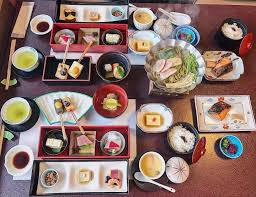
Japanese food kaiseki cuisine At least one of the few exquisite dishes offered at a Tokyo restaurant or hotel belongs to Kaiseki. The raw materials depend on the season and the country of the region. The Japanese are also willing to taste a variety of local flavors, and sometimes spend a lifetime of tastes of various local flavors (authentic Kaiseki cuisine is expensive).
Kaiseki’s craftsmanship is very particular, so it is also an art enjoyment.
If a good meal is accompanied by a pleasant background, whether it is a snow-covered mountain or a beautiful beach, it is a country that can never be imagined. Some restaurants that offer a better Kaiseki cuisine have succeeded in creating this atmosphere. No matter the outside environment, as long as there are paintings, flower arrangements, and artificial rockery, you can enjoy the pleasant atmosphere of the Kaiseki cuisine.
The ingredients used in the cooking must be fresh. Of course, it is essential for all the food. With a fine menu and a highly skilled chef, you can fully enjoy the delicious Japanese cuisine.
The taste of Kaiseki cuisine is not the added spice, it is about the taste of the food itself. Japanese cuisine is characterized by color, aroma and taste. However, Japanese chefs do not deliberately create unique flavors, but pay more attention to the natural flavor of food, and try to maintain the natural color of food ingredients through art processing to achieve good visual effects.
Japanese food noodles
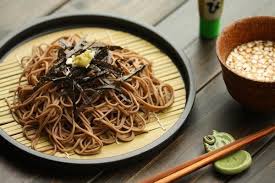
There are three main types of Japanese noodles: soba noodles, udon noodles and plain noodles. The buckwheat noodles are made of buckwheat flour, which is thin and light brown and has a good taste. Udon noodles are made of flour, usually in beige, and the noodles are very thick. The plain noodles are also made of flour, but are as thin as hair. Udon noodles are usually cooked into hot noodles, while soba noodles and plain noodles are hot and cold, depending on the season.
In addition, there is also a kind of noodles that are cold noodles and can only be cold food. The raw materials are the same as udon noodles, but the noodles are very fine.
The more common noodles are soba noodles. If you don’t add other flour, the taste is extremely delicious. Soba noodles are usually seasoned with mustard, finely chopped diced green onion, miso (a seasoning made from sweet rice wine) and dried salmon powder. This method of eating is to cook the buckwheat noodles and then put them on the bamboo drawers. After the draining is cooled (some ice cubes are placed on the surface), the seasonings are eaten. The soba noodles are extremely rich in nutrients and rich in vitamin B1 and vitamin C.
Another summer food is plain, the color is gray, the noodles are very fine, and it is called with its fine taste and various side dishes. There are three ways to eat plain noodles. One is called “five-eye plain noodles”, that is, add fried egg silk, chicken and vegetables on the cooked noodle surface; one is called “scented oily noodles”, the side dish is eggplant, fish and perilla; the kind is called “cold plain noodles”. Just add some soy sauce and sesame oil to the noodles. In the hot summer, you can eat a bowl of light and delicious noodles, what else is there?
One of the most popular foods in Japan’s winter season is udon noodles, which are thick and boiled into hot noodles, with shallots, vegetables and an egg. Unlike plain noodles and soba noodles, udon noodles are not seasoned and served in the form of noodle soup. A bowl of udon noodles, warm, and excellent taste.
There is also a udon noodle that is curry. Although it is not a traditional dish, it has a unique Japanese flavor. As the name suggests, this side is served with thick Japanese curry sauce (another popular curry food is curry rice, which can be found at major train stations).
Unlike macaroni, which is eaten with a fork, Japanese noodles are eaten with chopsticks. It sounds great when you eat, but you don’t have to be embarrassed. Everyone in Japan is like this. You are also good at home. According to experts, this tastes more fragrant. Although ramen is a Chinese property, it is also everywhere in Japan. It cannot be ignored here. The ramen is wide, the soup is steaming, and a variety of delicious ingredients, mainly bamboo shoots, green onion and roast pork. Ramen is also a staple in the Japanese family.
If time is tight, you can stand up and eat a bowl of noodles quickly when you rush into a restaurant. The train station often sees such small shops, and sometimes even similar shops are found on the platform. The price is low, there are 200 yen of soba noodles, and a little more expensive Tianyu soba noodles (there is a raw egg and some fried food in the soup). Among the two, there are tempura buckwheat noodles, oily tofu soba noodles, raw egg soba noodles, kelp soba noodles and many other species, which are hard to count. Although the quality of the noodle restaurant is flat, in the harsh winter, a bowl of hot soba noodles can solve the problem of hunger and cold, and save time.
Japanese food sushi fillets
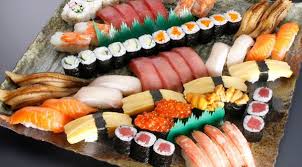
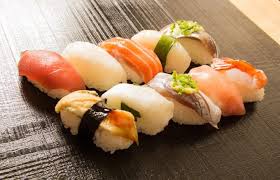
Sushi and sashimi are good foods, both of which are seafood. The Japanese love these two foods very much, and they also know that Westerners are not used to eating sashimi. If they encounter Western tourists who can eat one or two, they often ask questions out of curiosity.
A good sushi restaurant is astounding, and you don’t know what to do if you don’t know anything. If this is the case, try a self-service sushi restaurant where a variety of sushi bowls are rotated along the conveyor belt. Although it is not elegant and elegant here, you can have a general understanding of sushi here and don’t have to spend too much money. When you have a certain concept of sushi, choose a good sushi restaurant, it feels good.
The good sushi has extremely high requirements on raw materials. The materials used must be very fresh. The rice should be steamed with vinegar. The top of the raw fish must be as fresh as possible (slowly frozen fish is not satisfactory). For those who like raw seafood and not rice, you should order sashimi. The sliced fish fillet is very attractive on the plate, and often with a small dish of soy sauce for the fish fillet.
Japanese food hot pot
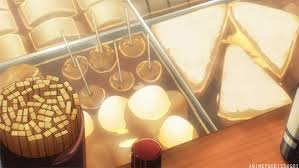
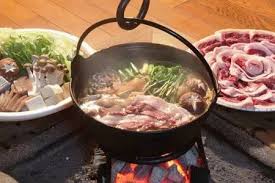
If you like to eat hot pot, Japan in autumn and winter just meets your requirements. There is no exception to all of Japan’s unique hot pot dishes. Hot pot is a typical winter food, like the Shikang pot in Hokkaido, which has squid, onion, cabbage, tofu, konjac and chrysanthemum; and the fish pot in Yamaguchi Prefecture, which contains puffer fish, cabbage, mushrooms, tofu and noodles. Due to its convenience, the Tokyo-style Tahara hot pot is popular with people. It has a variety of dishes, including potatoes, tofu, konjac, boiled eggs, octopus, carrots, cabbage and seaweed, and other kinds of side dishes. Eat this hot pot, order and pay the bill in one go, just like the convenience store in “7-11” (translation: “7-11” is a 24-hour chain in Japan), and this winter tonic Food can warm up.
Japanese food convenient
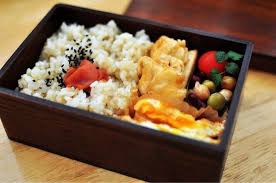
Like many modern countries, Japan is developing its own fast food industry. This traditional Japanese box lunch has developed into a fast food form, both in convenience stores and in specialized convenience stores. The shape of the lunch box is shallow and flat, with rice and kimchi or other foods separated by grids.
Bento offers a variety of foods, including Western spaghetti, Vienna sausages and burgers. Pupils bring their lunches to school for lunch. There is a special kind of lunch that has formed its own characteristics. This is the station lunch. In Japan, there are a lot of people traveling by train. Among all the means of transportation, trains are the most common ones, so some of the most popular foods are often sold at stations.
The interval between each stop of the train is just enough for the passengers to make a short stay, and they can buy some of their favorite local wind food. Especially those special station lunches can be eaten on the train.
Japanese food pickles
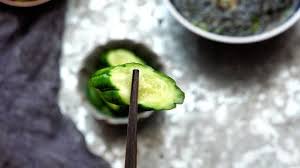
Every Japanese meal must have pickles. Historically, people have been flooding food to prevent famine. Pickles appeared in the Edo period, and the sauce restaurant became an emerging industry. The raw materials of Japanese-style pickles vary according to the seasons. The more common ones are cabbage, bamboo shoots, radish, cucumber, hackberry, ginger, eggplant, asparagus, burdock and so on.
The pickles add color to the dishes and offer a rich fiber that is not available in the main course. Pickles can be used to remove the main flavors in order to taste new flavors. For example, when eating sushi, a bite of pickles can remove the greasy taste of the squid remaining in the mouth, allowing you to continue to taste the delicious shrimp.
In addition, I feel it necessary to talk about the details about eating food in Japan:
Eating in Japan requires mobilizing all your senses. They use chopsticks without a knife and fork, just like touching food. Lifting the soup bowl with your hand and putting it on your mouth to feel the heat of food, screaming and eating the steaming udon noodles, don’t think it is rude, it sets off the atmosphere of reunion.
Japanese food and wine
beer
Japanese people like to drink beer, whether it is draft beer or bottled. In the summer, some department stores have higher open-air beer halls, attracting a large number of tourists.
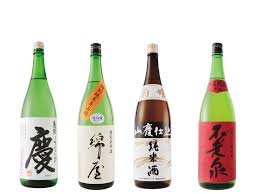
Japanese sake
Sake can be hot or cold, and no matter which kind of sake, it is the best match for Japanese dishes. The wine tastes delicious and sweet, and it is easy to drink too much and get drunk.
Whisky
Japanese people like to drink whiskey and ice and water (Mizuwari)
Wine
There are Japanese-made and imported table wines in the Western restaurant. In Chinese restaurants, Shaoxing wine is also available.
Shochu
This wine is made from sweet potato, barley, sucrose, etc. The filtered alcohol is somewhat similar to vodka.
 Japanese Food Adventures